


Powered by Advanced Testing Solutions from NGS Laboratories Equipment Trading LLC
Introduction:
The global wheat and flour industry is one of the most critical pillars of food security, especially in rapidly growing regions such as the Middle East and North Africa (MENA). From bread and pasta to biscuits and noodles, wheat-based products dominate daily consumption patterns. However, ensuring consistent quality, texture, and performance of these products requires more than just raw ingredients—it demands precise scientific testing.
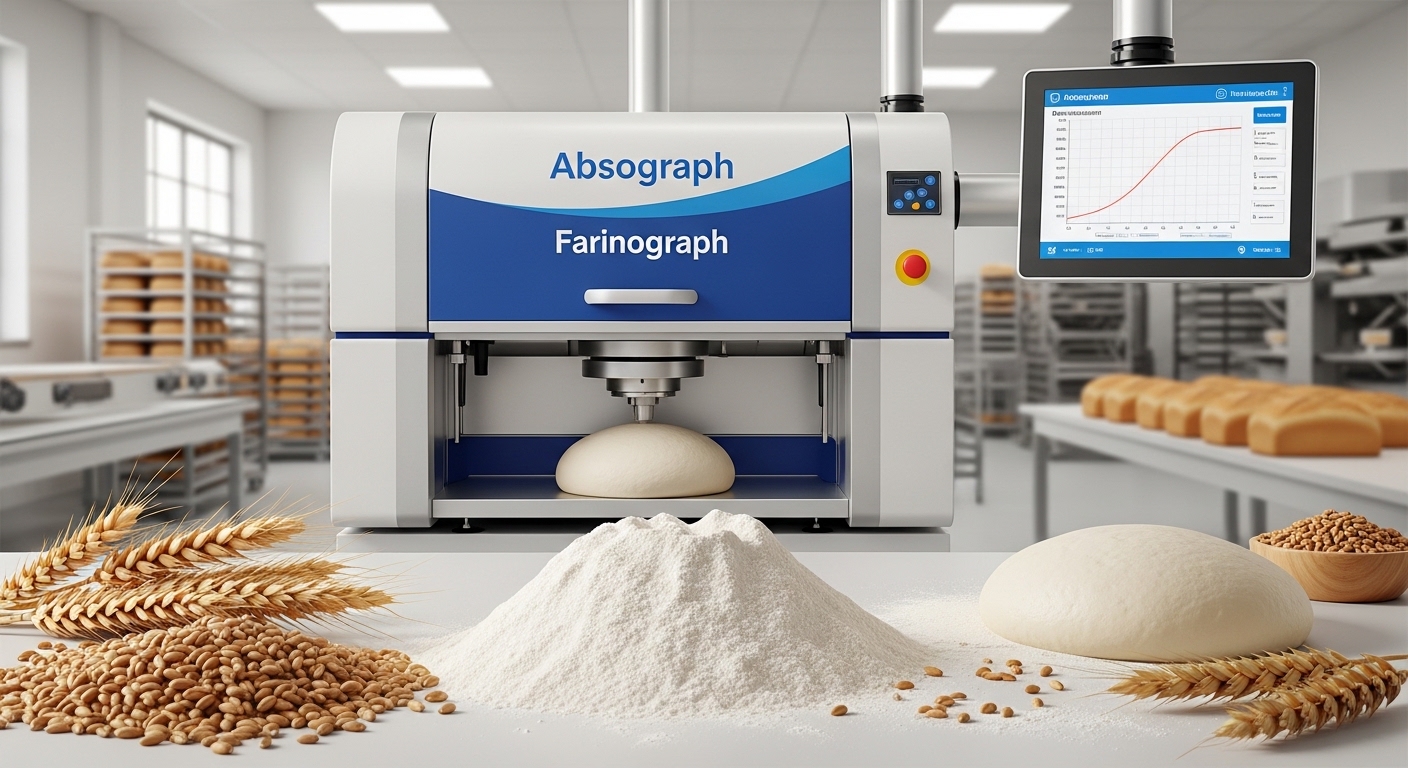
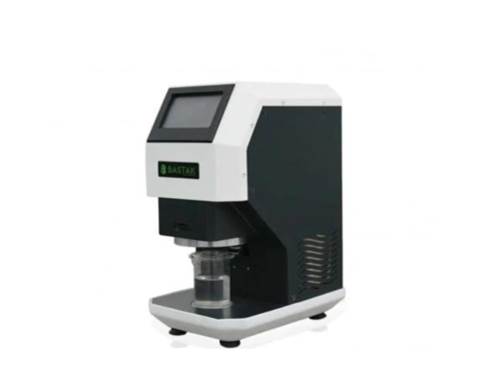
One of the most essential instruments in this process is the Absograph, widely known as the Farinograph. This advanced analytical device plays a crucial role in evaluating flour quality, dough behavior, and baking performance.
In the MENA region, where food production standards are rising and industrial bakeries are scaling rapidly, the demand for accurate flour testing has never been higher. Companies like
NGS Laboratories Equipment Trading LLC are at the forefront of this transformation—providing cutting-edge Farinograph systems along with calibration, training, and technical support across the region.
This blog explores the importance of the Farinograph, its role in modern food production, and why partnering with a trusted supplier is critical for long-term success.
Request a Demo or Quote
Ready to improve flour quality and reduce production losses? Get a customized Farinograph solution tailored to your business needs.
📍 International Headquarter:
Office 502, 22 King Saadeh Hilal Ahmed Nasser Lootah, Deira, Dubai, UAE📞 NGS Dubai: +971509448187
📧 Email: info@ngs-technology.com | sales@ngs-technology.com👉 Request your quote today and take control of your product quality!

What is an Absograph (Farinograph)?
The Farinograph is a rheological testing instrument used to measure the mixing properties of wheat flour dough. It evaluates how flour interacts with water and how the dough behaves under mechanical mixing.
It provides answers to critical production questions:
- How much water should be added?
- How strong is the gluten network?
- How long should mixing continue?
- How stable is the dough during processing?
The instrument generates a graphical output (farinogram) that reflects dough consistency over time, making it one of the most reliable tools for flour quality assessment.
Modern Farinograph systems supplied by
NGS Laboratories Equipment Trading LLC are integrated with digital controls and advanced software, enabling precise data analysis and seamless reporting.

Why the Farinograph is Essential in the Wheat & Flour Industry
1. Ensuring Consistency in Flour Quality
Flour is not a uniform product. Its characteristics vary due to:
- Wheat origin
- Climate conditions
- Harvest quality
- Milling techniques
Without proper testing, these variations can lead to inconsistent product quality.
The Farinograph enables manufacturers to:
- Standardize flour batches
- Maintain consistent dough behavior
- Ensure uniform end-product quality

In regions like the UAE and Saudi Arabia, where large-scale food production is rapidly expanding, consistent quality is a non-negotiable requirement.
2. Supporting Food Safety and Compliance
Food safety regulations in the MENA region are becoming increasingly stringent. Flour producers and food manufacturers must comply with international standards.
Advanced flour testing equipment, including Farinographs, helps ensure compliance with global quality benchmarks and improves product reliability.
By working with
NGS Laboratories Equipment Trading LLC, companies gain access not only to high-quality instruments but also to technical expertise that ensures compliance with ISO and food safety standards.

3. Reducing Production Losses
Inconsistent dough properties can lead to:
- Product rejection
- Wastage
- Increased operational costs
Modern flour analyzers can reduce production waste significantly while improving consistency.
Farinograph data allows manufacturers to optimize:
- Mixing times
- Water levels
- Ingredient ratios
This results in higher efficiency and reduced costs.
Key Parameters Measured by the Farinograph
Water Absorption
This parameter determines the amount of water required to achieve optimal dough consistency.
Importance:
- Ensures consistent dough texture
- Affects yield and profitability
- Critical for recipe formulation

Dough Development Time
This indicates the time required for dough to reach maximum consistency.
Importance:
- Prevents under- or over-mixing
- Reflects flour strength
- Optimizes production cycles
Dough Stability
This measures how long dough maintains its peak consistency.
Importance:
- Indicates tolerance to mixing
- Essential for industrial-scale production
- Reflects gluten strength
Mixing Tolerance Index (MTI)
This shows how quickly dough softens after peak development.
Importance:
- Helps predict processing behavior
- Indicates flour quality

Degree of Softening
This measures the weakening of dough over time.
Importance:
- Predicts handling properties
- Impacts final product texture
Applications Across the Food Industry
Bread Manufacturing
The Farinograph ensures:
- Strong gluten development
- High loaf volume
- Consistent crumb structure
Pasta Production
It helps control:
- Dough firmness
- Water absorption
- Cooking quality

Biscuit & Cake Industry
For softer products, the Farinograph helps:
- Control dough softness
- Ensure uniform spread
- Maintain texture consistency
Noodles and Flatbreads
It balances:
- Elasticity
- Extensibility
- Cooking performance
Role in Flour Mills
Flour mills rely heavily on Farinograph data to:
- Blend different wheat types
- Adjust milling processes
- Maintain product specifications
The ability to analyze flour behavior in real time allows mills to produce customized flour grades for different applications.
Importance in Research & Development
The Farinograph is a powerful tool for R&D teams working on:
- New product development
- Alternative ingredients (e.g., gluten-free blends)
- Nutritional improvements
It provides scientific data that helps researchers innovate while maintaining quality.
Economic Benefits for Manufacturers
1. Cost Efficiency
Using Farinograph data helps:
- Optimize water usage
- Reduce ingredient waste
- Improve production efficiency

2. Increased Profitability
Consistent quality leads to:
- Higher customer satisfaction
- Reduced returns
- Better brand reputation
3. Better Resource Utilization
Manufacturers can:
- Use cost-effective wheat blends
- Maintain performance standards
The Role of Technology in Modern Farinographs
Modern Farinograph systems now feature:
- Digital interfaces
- Automated data recording
- Software-based analysis
- Integration with laboratory information systems
Suppliers like
NGS Laboratories Equipment Trading LLC provide advanced solutions that incorporate these technologies, ensuring laboratories stay ahead of industry demands.
Why Choosing the Right Supplier Matters
Selecting the right equipment supplier like NGS Laboratories Equipment Trading LLC is just as important as choosing the instrument itself.
Key Considerations:
- Technical support
- Calibration services
- Training and installation
- Availability of spare parts
- Application expertise
Companies operating in regulated industries must ensure their equipment suppliers provide long-term support and compliance assistance.

Why Partner with
NGS Laboratories Equipment Trading LLC?
1. Regional Expertise
Based in Dubai, NGS serves clients across:
- UAE
- Saudi Arabia
- Qatar
- Oman
- Entire Middle East & MENA region
They understand local market requirements and regulatory frameworks.

2. Comprehensive Product Portfolio
NGS offers:
- Food & dairy testing instruments
- Flour analyzers (including Farinograph systems)
- Environmental and analytical instruments
Their broad portfolio ensures complete laboratory solutions.
3. Global Partnerships
NGS collaborates with leading international manufacturers, ensuring access to high-quality and reliable equipment.
4. End-to-End Support
Their services include:
- Installation
- Training
- Calibration
- After-sales support
This makes them not just a supplier, but a long-term technology partner.

5. Trusted Across Industries
From food and dairy to pharmaceuticals and environmental testing, NGS supports multiple sectors with precision instruments and expertise.
The Growing Importance of Flour Testing in MENA
The MENA region is experiencing:
- Rapid population growth
- Increased food demand
- Strong investments in food security
As a result:
- Industrial bakeries are expanding
- Flour mills are modernizing
- Quality standards are rising
Advanced testing equipment has become essential to meet these demands.
The region’s strategic role as a global food hub further increases the need for accurate and reliable flour testing solutions.
Future Trends in Flour Testing
1. Automation and AI
Modern systems are integrating:
- AI-driven analysis
- Predictive quality control

2. Real-Time Monitoring
Inline testing systems will allow:
- Continuous quality checks
- Faster decision-making
3. Sustainability Focus
Testing will play a role in:
- Reducing waste
- Optimizing resource usage
Here are two detailed case study examples aligned with the importance of the Absograph (Farinograph), highlighting real-world applications and the role of NGS Laboratories Equipment Trading LLC in the MENA region.
Case Study 1
Improving Bread Quality Consistency in a Large Industrial Bakery (UAE)
Background
A leading industrial bakery in Dubai was producing over 200,000 loaves of bread daily, supplying major retail chains and food service companies. Despite using high-quality wheat flour, the company faced recurring issues with:
- Inconsistent dough performance
- Variations in bread volume and texture
- Frequent batch rejections
- Increased raw material wastage
These inconsistencies were affecting both brand reputation and operational efficiency.

Challenge
The bakery sourced wheat flour from multiple suppliers across different regions. Due to natural variability in wheat:
- Water absorption levels fluctuated
- Gluten strength varied
- Mixing times were inconsistent
Without proper analytical testing, the production team relied heavily on manual adjustments, leading to:
- Trial-and-error processes
- Production delays
- Higher operational costs

Solution:
The bakery partnered with NGS Laboratories Equipment Trading LLC, a leading supplier of flour testing instruments in the MENA region.
NGS recommended and installed an advanced Absograph (Farinograph) system, along with:x
- Operator training
- Method standardization
- Calibration services
- Ongoing technical support
Implementation
The Farinograph was integrated into the bakery’s quality control laboratory. The team began testing each batch of flour before production, focusing on:
- Water absorption
- Dough development time
- Dough stability
Based on the results:
- Water addition levels were precisely adjusted
- Mixing times were optimized
- Flour batches were blended for consistency

Results
Within 3 months, the bakery achieved significant improvements:
1. Product Consistency
- Uniform bread volume and texture
- Improved crumb structure
2. Reduced Waste
- 18% reduction in rejected batches
- Lower raw material losses
3. Increased Efficiency
- Reduced mixing time variability
- Faster production cycles
4. Cost Savings
- Optimized water usage
- Better utilization of flour blends
Key Takeaway
The implementation of the Farinograph transformed the bakery’s production process from reactive to data-driven. With the support of NGS Laboratories Equipment Trading LLC, the company achieved:
✔ Consistent product quality
✔ Lower operational costs
✔ Improved customer satisfaction

Case Study 2
Optimizing Flour Blending in a Regional Flour Mill (Saudi Arabia)
Background
A major flour mill in Saudi Arabia supplied flour to bakeries, food manufacturers, and government contracts. The mill processed wheat imported from multiple countries, including:
- Russia
- Canada
- Australia
However, they struggled to maintain consistent flour quality across batches.

Challenge
Due to variations in wheat quality:
- Protein content fluctuated
- Dough strength varied
- Customer complaints increased
The mill faced:
- Difficulty meeting contract specifications
- Increased product returns
- Loss of customer trust
They lacked a reliable system to predict flour performance before distribution.

Solution:
The mill collaborated with NGS Laboratories Equipment Trading LLC to upgrade its quality control capabilities.
NGS supplied a modern Farinograph system and provided:
- Laboratory setup consultation
- Staff training programs
- Standard operating procedures (SOPs)
- After-sales technical support
Implementation
The flour mill began testing all wheat blends using the Farinograph before final production.
Key steps included:
1. Wheat Blending Optimization
- Different wheat types were tested and blended based on farinograph results
2. Quality Standardization
- Flour batches were adjusted to meet specific dough stability and absorption targets
3. Customer-Specific Formulations
- Customized flour blends were developed for different clients (bread, biscuits, pasta)
Results:
After implementing Farinograph testing, the mill achieved:
1. Improved Product Consistency
- Standardized flour quality across all batches
- Reduced variability in dough performance
2. Enhanced Customer Satisfaction
- Significant reduction in complaints
- Improved trust with long-term clients

3. Increased Market Competitiveness
- Ability to offer tailored flour solutions
- Stronger positioning in government and export contracts
4. Operational Efficiency
- Reduced dependency on trial-based blending
- Faster decision-making in production

Key Takeaway
By integrating Farinograph analysis into their workflow, the flour mill transitioned to a scientifically controlled production system. With guidance from NGS Laboratories Equipment Trading LLC, they achieved:
✔ Reliable flour performance
✔ Stronger customer relationships
✔ Higher profitability
Final Insight
These case studies clearly demonstrate that the Absograph (Farinograph) is not just a laboratory instrument—it is a strategic tool for quality assurance, cost optimization, and business growth.
Across the MENA region, companies that invest in advanced flour testing solutions—supported by trusted partners like NGS Laboratories Equipment Trading LLC—are better positioned to:
- Deliver consistent products
- Reduce operational risks
- Compete in high-demand markets

Conclusion:
The Absograph (Farinograph) is not just a laboratory instrument—it is a critical tool that ensures quality, consistency, and efficiency in the wheat and flour industry.
From flour mills to industrial bakeries, its role is indispensable in:
- Maintaining product standards
- Reducing costs
- Supporting innovation
In a competitive and rapidly evolving market like MENA, having access to advanced testing equipment and reliable technical support is essential.
That’s why industry leaders trust
NGS Laboratories Equipment Trading LLC—a company that delivers not only world-class Farinograph systems but also the expertise, service, and support needed to achieve long-term success.

FAQs: Absograph (Farinograph) in the Wheat & Flour Industry
General Understanding
1. What is an Absograph (Farinograph)?
It is a laboratory instrument used to measure the mixing properties and water absorption of wheat flour dough.
2. Why is the Farinograph important in the flour industry?
It helps ensure consistent flour quality, optimize production processes, and predict final product performance.
3. What does a Farinograph measure?
It measures dough resistance during mixing and provides parameters like water absorption, dough development time, and stability.
4. What industries use a Farinograph?
It is widely used in flour mills, bakeries, food manufacturing, and research laboratories.
5. Is the Farinograph only used for wheat flour?
Primarily yes, but it can also be used to test blends and alternative flours.
Technical Questions
6. What is water absorption in Farinograph testing?
It indicates the amount of water required for flour to reach optimal dough consistency.
7. What is dough development time?
It is the time required for dough to reach maximum consistency during mixing.
8. What does dough stability indicate?
It shows how long the dough maintains peak consistency, reflecting flour strength.
9. What is Mixing Tolerance Index (MTI)?
It measures how quickly dough softens after peak development.
10. What is degree of softening?
It indicates how much the dough weakens over time during mixing.
Application-Based Questions
11. How does the Farinograph help in bread production?
It ensures proper gluten development, leading to better loaf volume and texture.
12. Can Farinograph results predict final product quality?
Yes, it provides strong indicators of baking performance and product consistency.
13. How is it useful in biscuit and cake production?
It helps control dough softness and ensures uniform product texture.
14. Why is Farinograph important for pasta manufacturing?
It ensures proper hydration and dough firmness, affecting cooking quality.
15. How does it help in noodle production?
It balances elasticity and extensibility for better processing and texture.
Operational & Process Questions
16. How often should flour be tested using a Farinograph?
Ideally, every batch or lot should be tested for consistent quality control.
17. Can Farinograph reduce production waste?
Yes, by optimizing mixing parameters and reducing batch failures.
18. Does it help in flour blending?
Yes, it allows millers to create consistent blends from variable wheat sources.
19. Is Farinograph testing time-consuming?
It takes longer than rapid tests but provides highly reliable and detailed results.
20. Does it require skilled operators?
Yes, trained personnel are needed for accurate testing and interpretation.
Equipment & Supplier Questions
21. What should I look for when buying a Farinograph?
Consider accuracy, software features, after-sales support, and calibration services.
22. Why is calibration important for Farinograph instruments?
Calibration ensures accurate and reliable test results over time.
23. Who supplies Farinograph systems in the MENA region?
Companies like NGS Laboratories Equipment Trading LLC are leading suppliers and service providers.
24. Does NGS Laboratories Equipment Trading LLC provide installation and training?
Yes, they offer complete support including installation, training, and maintenance.
25. Can Farinograph systems be integrated with digital lab systems?
Yes, modern systems include software integration and data management capabilities.
Business & Economic Impact
26. How does Farinograph testing improve profitability?
It reduces waste, improves consistency, and optimizes resource usage.
27. Can it help meet international quality standards?
Yes, it is widely used to ensure compliance with global flour quality standards.
28. Does it support large-scale industrial production?
Absolutely, it is essential for maintaining consistency in high-volume operations.
29. How does it improve customer satisfaction?
By ensuring consistent product quality, it reduces complaints and returns.
30. Is investing in a Farinograph cost-effective?
Yes, the long-term savings from reduced waste and improved efficiency outweigh the initial investment.

Final Note:-
These FAQs not only educate our potential customers but also position
NGS Laboratories Equipment Trading LLC as a trusted expert and solution provider in the MENA region for Absograph/Farinograph systems.

Get Expert Consultation Today
Upgrade your flour testing accuracy with advanced Absograph (Farinograph) solutions. Speak directly with our experts to find the perfect system for your lab or production line.
📍 International Headquarter:
Office 502, 22 King Saadeh Hilal Ahmed Nasser Lootah, Deira, Dubai, UAE
📞 Call/WhatsApp: +971509448187
📧 Email: info@ngs-technology.com | sales@ngs-technology.com
